
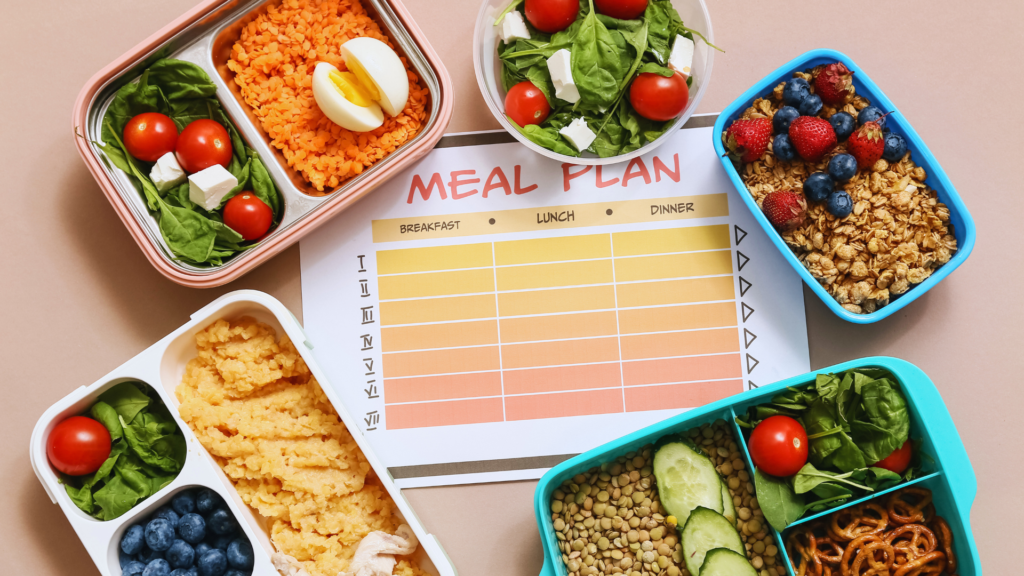
Many people find that weekly meal prep saves them time during busy days by reducing daily cooking tasks. Planning meals in advance and batch cooking can help streamline grocery shopping and kitchen work.
The most effective way to save time with weekly meal prep is to organize meals around simple, repeatable recipes and prepare ingredients in bulk. This approach minimizes decision fatigue and cooking time throughout the week.
By adopting practical strategies, anyone can make weekly meal prep less overwhelming and more efficient. It enables consistent, healthy eating without spending excessive time in the kitchen each day.
Core Time-Saving Strategies for Weekly Meal Prep
Effective meal prep relies on smart planning and using techniques that reduce active cooking time. Prioritizing methods that allow cooking multiple dishes simultaneously, minimizing hands-on work, and preparing ingredients in advance helps save significant time.
Batch Cooking Methods
Batch cooking involves preparing large portions of meals in one session. This process cuts down daily cooking by having ready-to-eat or easy-to-assemble meals throughout the week.
Common batch cooking practices include roasting several trays of vegetables, cooking large pots of grains or proteins, and assembling casseroles that can be refrigerated or frozen. Using the oven and stovetop efficiently allows multiple recipes to cook at once.
Storing meals in portion-sized containers helps with quick reheating and portion control. Labeling containers with dates prevents food waste and streamlines meal selection during busy days.
Passive Cooking Techniques
Passive cooking reduces the need for constant monitoring or stirring. Slow cookers, pressure cookers, and ovens with timers allow food to cook unattended.
Using a slow cooker for stews or braised dishes frees time while ensuring flavors develop deeply. Pressure cookers shorten cook times for beans, rice, and tougher cuts of meat without losing quality.
Oven roasting at moderate temperatures also counts as passive cooking when foods are prepped and roasted without frequent attention. Setting a timer ensures meals are ready without worry.
Efficient Ingredient Prep
Prepping ingredients before cooking speeds up meal assembly during the week. Washing, chopping, and portioning vegetables and proteins in advance cuts down on repetitive tasks.
Organizing ingredients into containers or bags by recipe reduces decision-making during busy days. Pre-cooked grains or proteins stored separately can be quickly incorporated into different dishes.
Investing in quality storage containers and sharp knives enhances speed and effectiveness. Preparing staples like chopped onions, minced garlic, or cooked beans ahead saves time across various meals.
Smart Ingredient Selection and Storage
Selecting ingredients that offer flexibility and longevity improves the efficiency of weekly meal prep. Proper storage methods preserve freshness and reduce waste, making meals easier to assemble throughout the week.
Choosing Versatile Ingredients
He or she should choose ingredients that work well across multiple recipes to maximize utility. Items like chicken breasts, canned beans, quinoa, and mixed greens can be used in salads, bowls, or stir-fries.
Root vegetables such as sweet potatoes and carrots last longer and can be roasted, mashed, or added to soups. Fresh herbs like cilantro and parsley brighten many dishes and can be stored wrapped in damp paper towels inside airtight containers.
Planning meals around versatile proteins and staples helps reduce the number of unique items needed, saving shopping and prep time.
Utilizing Frozen Vegetables
Frozen vegetables retain nutritional value and require little prep, making them ideal for quick meals. Items like peas, spinach, and mixed bell peppers can be stored for months without spoilage.
They eliminate the need for washing and chopping, speeding up cooking processes. Frozen veggies can also easily be portioned into meals, reducing waste.
It is important to keep frozen vegetables organized by type and expiration date. Using clear, labeled storage bags or containers ensures easy access during meal prep.
Effective Portioning and Labeling
Portioning ingredients based on planned recipes streamlines daily cooking efforts. Dividing cooked grains, proteins, and vegetables into single or double meal portions ahead of time minimizes decision-making during busy days.
Labeling each container with contents and date helps track freshness. This practice prevents confusion and avoids accidental consumption of spoiled food.
Using clear containers makes visual inventory quicker, while consistent labeling formats improve organization and efficiency.
Organization and Planning for Maximum Efficiency
Effective meal prep depends on clear planning, an optimized kitchen setup, and a consistent schedule. These elements reduce wasted time and energy while improving meal variety and quality.
Menu Planning Techniques
He should start by selecting meals that share ingredients to simplify shopping and reduce prep steps. Creating a weekly menu with 3-4 core dishes and rotating sides helps maintain variety without increasing complexity.
Using a template or app to list recipes, ingredients, and quantities keeps grocery trips efficient. Prioritizing meals that store well or can be frozen extends flexibility through the week.
Batch cooking staples like grains or proteins in advance allows quick assembly of meals. She should also factor in dietary needs and portion sizes to minimize leftovers and food waste.
Optimizing Kitchen Workflow
Arranging the kitchen to support workflow can save minutes on every task. Placing frequently used tools and ingredients within arm’s reach prevents unnecessary movement during prep.
Grouping tasks by type — like washing, chopping, and cooking — streamlines the process. Using multiple cooking surfaces simultaneously, such as the stovetop and oven, shortens total prep time.
Cleaning as she goes preserves the workspace and prevents clutter buildup. Labeling and stacking containers logically helps speed up both storage and retrieval during the week.
Scheduling Weekly Prep Sessions
Setting a specific day and time each week for meal prep builds consistency and habit. A 1-2 hour block, usually on weekends or evenings, balances sufficient prep without causing fatigue.
Breaking the session into focused phases—shopping, prepping ingredients, cooking, and storing—makes the process manageable. He should review the upcoming week’s schedule before starting to adapt meals as needed.
Flexibility is key; unexpected tasks or plans may require splitting prep into two shorter sessions rather than one long block. Keeping a checklist ensures no step is forgotten and improves efficiency over time.
Maintaining Variety and Nutrition in Prepped Meals
Balancing variety and nutrition in weekly meal prep requires planning different ingredients and flavors. Using flexible components and flavor customization helps avoid monotony while keeping meals healthy.
Mix-and-Match Meal Ideas
Using versatile staples like grilled chicken, roasted vegetables, and cooked grains allows for easy mixing throughout the week. For example, pairing quinoa with sautéed spinach and turkey meatballs one day, then switching to brown rice, steamed broccoli, and baked salmon the next keeps meals fresh.
Including a range of colors in vegetables ensures different nutrients are covered. Consistent use of legumes, nuts, and seeds adds fiber and protein variety. Portioning ingredients separately rather than pre-assembled meals enables quick combinations depending on the appetite or preference.
A simple table for mix-and-match components:
| Protein | Grain | Vegetable | Additional |
| Chicken breast | Quinoa | Roasted carrots | Hummus |
| Baked salmon | Brown rice | Steamed broccoli | Avocado |
| Black beans | Whole wheat pasta | Sautéed spinach | Nuts |
Customizing Flavors and Textures
Adjusting seasonings and cooking methods transforms similar ingredients into diverse meals. Adding herbs like cilantro, basil, or parsley changes the flavor profile instantly. Using spice blends such as smoked paprika, cumin, or curry powder gives meals distinction.
Experimenting with textures matters. Crunchy roasted nuts or seeds contrast with smooth purees or dressings. Swapping a grilled protein for a slow-cooked or shredded option diversifies mouthfeel during the week.
Sauces and dressings can be made in bulk but varied by adding lemon juice, mustard, or yogurt. This adds freshness without extra prep time. Focusing on these small tweaks increases enjoyment and helps stick to meal prep routines.